

Launched in 2024, the Pilot Award Program (PAP) is a new component of NDRI’s NIH-supported Human Tissues and Organs for Research Resource (HTORR) program which facilitates the collection of preliminary data necessary for an investigator to obtain subsequent funding. Over the course of two years, the awarded investigators will receive up to 10 biological samples each, with all preservation and shipping costs covered, as well as supplementary support to develop grant applications to the NIH Institute that supported their award. The awards are supported by several NIH institutes, including the Office of Research Infrastructure Programs (ORIP), the National Institute of Allergy and Infectious Diseases (NIAID), the National Heart, Lung, and Blood Institute (NHLBI), the National Eye Institute (NEI), the National Institute of Diabetes and Digestive and Kidney Diseases (NIDDK), and the National Institute of Arthritis and Musculoskeletal and Skin Diseases (NIAMS).
“We are excited to announce the first winners of our Pilot Award Program,” said Thomas Bell, Ph.D., NDRI’s Chief Scientific Officer. “This program is an opportunity to expand access to human tissue for promising young researchers who will drive the next generation of scientific breakthroughs.”
The 2024 awardees are:
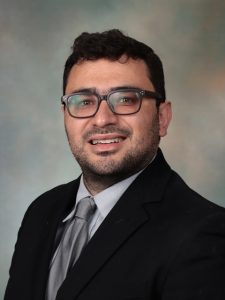 Henrique Borges da Silva, Ph.D. | Assistant Professor of Immunology | Mayo Clinic Arizona
Dr. Borges da Silva uses research models and patient samples to determine how protective CD4+ T cell responses to influenza develop, with special interest in defining the mechanisms by which these memory cells form, especially inside the lungs, one of the primary sites of influenza infection. The better understanding how these cells form could inform the development of a universal influenza vaccine.
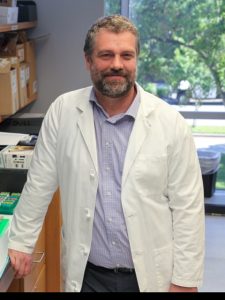 Paul O’Connor, Ph.D. | Professor | Medical College of Georgia, Augusta University
Dr. O’Connor focuses on developing new treatments for Ischemic Acute Kidney Injury, the most common type of kidney injury, which can occur after surgery, dehydration, or major illness. It is commonly thought to stem from lack of oxygen to the kidney, however, with this award, he and his team will test a new hypothesis for the cause of such injury, which could lead to more effective treatment.
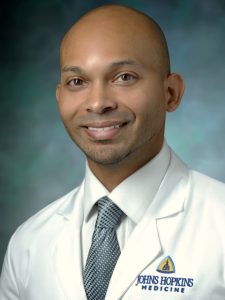 Eric T. Oliver, MD | Assistant Professor of Medicine | Johns Hopkins School of Medicine
Dr. Oliver is researching Chronic Spontaneous Urticaria (CSU), or hives with no clear cause, which can have a major impact on quality of life for sufferers. Understanding the pathways that lead to CSU will aid in the development of new and more effective therapies for patients with this condition. Dr. Oliver proposes that skin mast cells play a key role in CSU, and his research through this award will examine this hypothesis.
 Spencer Szczesny, Ph.D. | Associate Professor | Pennsylvania State University
Dr. Szczesny focuses on Tendinopathy, a degenerative condition where tendons progressively weaken, causing persistent pain and sometimes leading to tendon rupture. Having completed studies on mouse tendons, Dr. Szczesny will use this award to study human tendons, which could lay the groundwork for future research to better understand how tendons degenerate, potentially leading to new, more effective treatments for tendinopathy that prevent tendon rupture.
Applications for the next round of awards are currently open, with the next cohort being announced in Summer 2025. For more information or to apply, visit https://ndriresource.org/pilot-award-program/.
About the Pilot Award Program:
Primary diseased and control human tissue samples are a vital resource for starting new programs focusing on human disease research, but they can be both expensive and difficult for investigators to obtain, especially before securing a grant. The Human Tissues and Organs for Research Resource Pilot Award Program (PAP) seeks to enable the completion of pilot studies necessary for an investigator to obtain subsequent funding. These 2-year awards provide up to 10 biological samples per awarded investigator, covering all costs associated with obtaining the biospecimens, including tissue preservation reagents and shipping costs. Pilot Award Program awardees will also receive additional technical support for tissue procurement protocol design to help bolster rigor and reproducibility in their experimental data and analysis.
Importantly, as this Pilot Award is intended to generate the preliminary data necessary for an investigator to obtain subsequent funding, a stipulation of this award is that the data generated through the completed Pilot Award study is expected to be used in at least one subsequent grant application to at least one of the following NIH Institutes by the end of the 2-year project period: National Institute of Allergy and Infectious Diseases (NIAID), the National Heart, Lung, and Blood Institute (NHLBI), the National Eye Institute (NEI), the National Institute of Diabetes and Digestive and Kidney Diseases (NIDDK), the National Institute of Arthritis and Musculoskeletal and Skin Diseases (NIAMS), or the Office of Research Infrastructure Programs (ORIP).